
How to Source
Hard-to-Find Memory ICs
Published: Apr 15, 2026 · 8 min read
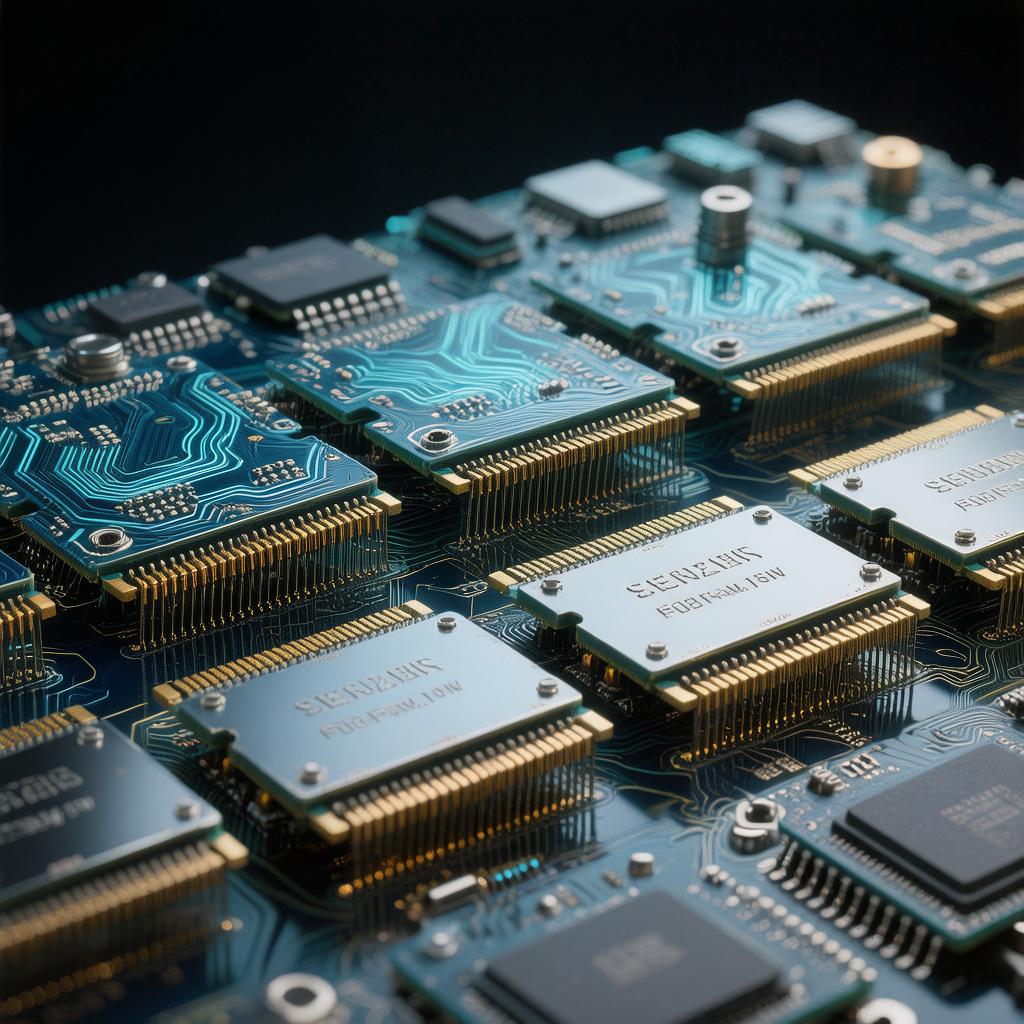
Why Memory ICs Become Hard to Find
Memory ICs — including DRAM, SRAM, Flash, and EEPROM — are among the most frequently discontinued components in the semiconductor industry. As manufacturers shift to newer process nodes and higher-density packages, older memory chips are often phased out with short notice. For companies maintaining legacy systems, this creates a critical supply chain risk.
The main reasons memory ICs become hard to find include: (1) technology nodes being deprecated by foundries; (2) low-volume legacy products no longer being economical to produce; (3) allocation priorities shifting to high-growth sectors like AI and automotive; and (4) geopolitical trade restrictions affecting certain part numbers.
5 Proven Strategies for Sourcing Discontinued Memory ICs
1. Identify Authorized Excess and EOL Channels Early
The best time to secure discontinued memory ICs is before the last-time-buy (LTB) window closes. Monitor manufacturer EOL notices and allocate budget for buffer stock. If you've missed the LTB window, the next best option is authorized distributor excess inventory — many distributors hold legacy stock beyond the official EOL date.
2. Work with Specialized Obsolete IC Suppliers
General-purpose distributors often cannot help with obsolete memory ICs. Work with specialized suppliers who maintain global sourcing networks and have physical QC capabilities. A reliable obsolete IC partner should provide CoC documentation, batch traceability, and in-house visual/electrical inspection — not just a "we'll try to find it" promise.
3. Cross-Reference and Equivalent Part Verification
Many memory ICs have cross-reference equivalents from different manufacturers or newer revision codes that are backward-compatible. Before committing to a costly obsolete search, verify whether a drop-in replacement exists. However, always validate with your engineering team — pinout, timing, and voltage tolerance must be verified before substitution.
4. Anti-Counterfeit Verification is Non-Negotiable
The obsolete IC market has a high risk of counterfeit parts. Always require suppliers to provide: (a) original manufacturer documentation; (b) date code verification; (c) X-ray or decapsulation test reports for high-value lots; and (d) a warranty that covers authenticity. If a supplier cannot provide these, walk away — the cost of a counterfeit part failure far exceeds any upfront savings.
5. Build a Long-Term Supply Chain Partnership
The most effective strategy is to establish a relationship with a trusted obsolete IC supplier before you have an emergency. Share your legacy BOMs with them proactively — many suppliers can monitor EOL notices and alert you before stock runs out. This transforms a reactive crisis into a managed procurement process.
Key Takeaway
Sourcing hard-to-find memory ICs requires a combination of early planning, specialized supplier relationships, and rigorous quality verification. Don't wait for a line-down situation — start building your obsolete IC supply strategy today.
How LIANYIXIN Can Help
LIANYIXIN specializes in sourcing obsolete and hard-to-find memory ICs from a global supplier network. We provide full CoC documentation, batch traceability, and in-house quality inspection for every order. Our team monitors EOL notices across major memory manufacturers and can help you secure buffer stock before your production line is affected.
Can't Find This Component?
Send us the part number & quantity. We'll respond with pricing & availability within 12 hours.